
Cyclosporiasis: How a Tiny Parasite Makes You Sick
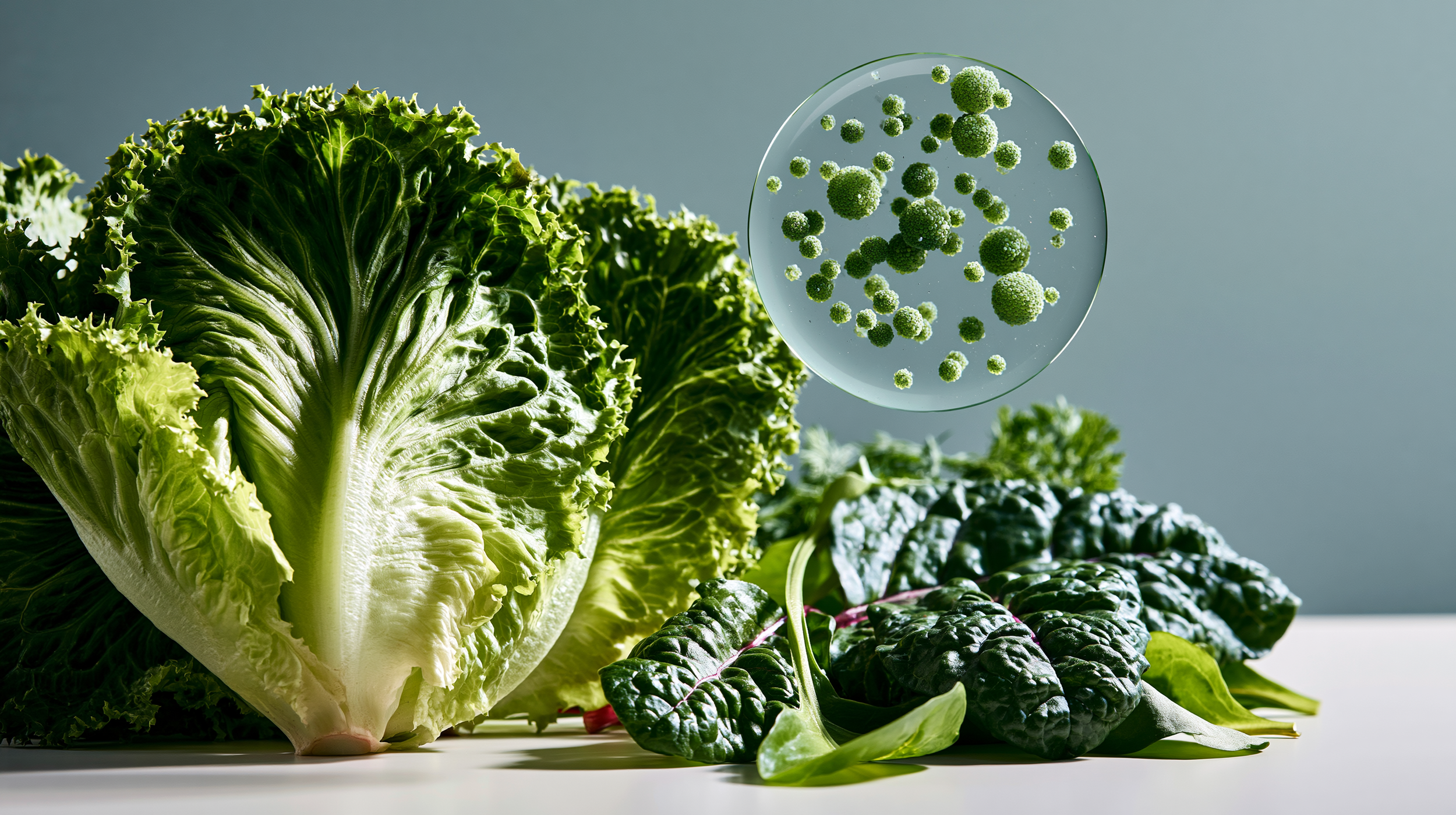
Cyclosporiasis is a foodborne intestinal illness that can cause weeks of watery diarrhea, fatigue and symptoms that fade only to return. Understanding the parasite's unusual route from the environment to the small intestine makes the illness—and the right precautions—much easier to understand.
Unlike a virus or bacterium, Cyclospora has to spend time maturing outside the body before it becomes infectious. That delay helps explain why direct person-to-person spread is considered unlikely—and why tracing a contaminated meal can be difficult by the time symptoms appear.
From plate to small intestine: how infection happens
The parasite does not become infectious immediately after leaving an infected person. According to the CDC, its oocysts—protective forms of the organism—generally need at least one to two weeks in the environment to mature. Once mature, they can contaminate water or food, including fresh produce. A person becomes infected by swallowing them.
Inside the small intestine, the parasite reproduces in cells along the intestinal lining. That infection interferes with the bowel's work of digesting food and absorbing water and nutrients. Fluid remains in the intestine, producing watery diarrhea; reduced intake and absorption can contribute to weight loss and fatigue. Prolonged diarrhea can also cause dehydration. The parasite's life cycle is different from those of other microscopic organisms that enter the body in very different ways, which is why prevention advice must match the organism rather than the word “parasite” alone.
The symptom clock: what illness can feel like
Common symptoms
- Watery diarrhea with frequent bowel movements
- Loss of appetite and unintended weight loss
- Stomach cramps, bloating and increased gas
- Nausea and prolonged fatigue
- Sometimes vomiting, body aches, headache or low-grade fever
Timing matters
Symptoms usually start about one week after exposure, but the range can be two days to two weeks or longer. Without treatment, illness may last from a few days to more than a month. Symptoms can improve and then return one or more times.
Some infected people have no symptoms. For those who do, the delayed onset can make the cause easy to miss. Watery diarrhea also occurs with many other conditions, including norovirus and other gastrointestinal infections. A symptom list alone cannot tell you which organism is responsible.
When to contact a healthcare provider
If you have symptoms consistent with cyclosporiasis, contact a healthcare provider—especially if diarrhea or other severe symptoms last more than three days, you may have eaten a recalled food, or you have a weakened immune system. Older adults and children can also be more vulnerable to complications from significant dehydration.
Why feeling better may not mean the illness is over
Cyclosporiasis can follow what clinicians call a remitting-relapsing course: diarrhea and fatigue may ease for a time and then return. That pattern is one reason the illness can feel confusing. A brief improvement does not identify the cause or confirm that an untreated infection has cleared. If symptoms recur, tell your healthcare provider about the entire pattern rather than describing only how you feel that day.
It also helps to reconstruct the two weeks before symptoms began. Write down restaurants, prepared meals, fresh produce, travel and any recall notices you remember. Because onset is delayed, the most recent meal may not be the source. State or local health officials may ask about this history if your test is positive; those interviews help investigators connect cases and identify a contaminated food.
Foods to avoid: use alerts, not a permanent blacklist
The safest rule is specific: do not eat food named in an active recall or public-health alert. Check the product, brand, package size, lot code, date and distribution details in the official notice. If your item matches, follow the alert's direction to discard or return it and clean anything it touched.
Past U.S. outbreaks have been linked to raspberries, cabbage, basil, cilantro, parsley, broccoli, snow peas, sugar snap peas and leafy greens. That history shows why fresh produce deserves careful handling, but it is not a standing list of foods everyone should stop eating. The implicated food can change from one outbreak to another, and many people eat these foods safely every day.
Iceberg lettuce was the focus of an ongoing nine-state investigation
CDC and FDA were investigating an outbreak linked to recalled iceberg lettuce from Taylor Farms de Mexico. Federal officials listed at least 1,947 outbreak-linked cases and 98 hospitalizations across nine states. CDC also acknowledged two reported Michigan deaths involving people with underlying health conditions while noting that its laboratory-confirmed totals would be updated.
The recall covered all iceberg lettuce from the supplier's central Mexico source, including certain Marketside iceberg salad and shredded-lettuce products. Because an investigation can change, use the current CDC outbreak advisory and FDA investigation page for the newest products, dates and locations.
Why cyclosporiasis can be missed during testing
Diagnosis is made by finding the parasite or its genetic material in a stool sample, but routine testing may not automatically look for Cyclospora. Not every gastrointestinal PCR panel includes it, either. A clinician may need to request the test specifically.
Even then, the parasite can be shed intermittently and in small numbers. A single negative sample does not always rule out infection, so a healthcare provider may request several stool specimens collected on different days. Tell your clinician about recent travel, recalled-food exposure and when symptoms began.

Treatment and recovery
The CDC identifies the prescription antibiotic combination trimethoprim-sulfamethoxazole, or TMP-SMX, as the treatment of choice. A healthcare provider decides whether it is appropriate and how long treatment should continue. People who are allergic to sulfa drugs need to discuss alternatives with their clinician; they should not try to substitute or self-prescribe an antibiotic.
Fluids are also important because diarrhea can lead to dehydration. Most people with healthy immune systems eventually recover, but untreated illness can be prolonged or relapsing. People with weakened immune systems may become sicker, remain ill longer or require closer medical care.
How to reduce your risk without fearing fresh produce
No home method can promise that every raw fruit or vegetable is free of Cyclospora. Safe handling still reduces risk, and cooking is an added option for produce that can reasonably be cooked.
1. Wash
- Wash hands with soap and water before and after handling produce.
- Rinse fruits and vegetables thoroughly under clean running water, even when labeled pre-washed.
- Scrub firm produce with a clean produce brush.
2. Prepare
- Remove damaged or bruised areas and, when practical, discard outer leaves.
- Prevent cross-contamination by cleaning counters, boards and utensils.
- Never use soap or bleach to wash produce.
3. Cook and store
- When appropriate, cook produce to at least 158°F (70°C).
- Refrigerate cut, peeled or cooked produce within two hours.
- Monitor CDC, FDA and state food-safety alerts during outbreak season.
Washing has limits: Running water can reduce dirt and some contamination, but CDC and FDA warn that washing alone cannot guarantee removal of Cyclospora. The parasite is also resistant to routine chlorine-based sanitizers. If a food is recalled, washing it does not make it safe to eat.
The bottom line
Cyclosporiasis is not simply a brief “stomach bug.” The parasite infects the small intestine, symptoms can last for weeks or return after improving, and standard stool testing may miss it unless Cyclospora is specifically considered. Avoid recalled foods, handle produce carefully and contact a healthcare provider when symptoms persist or exposure is possible.
Sources
- CDC: About Cyclosporiasis
- CDC: Clinical Overview of Cyclosporiasis
- CDC: Preventing Cyclosporiasis
- CDC DPDx: Cyclosporiasis biology, images and laboratory diagnosis
- FDA: Cyclospora food-safety guidance
- CDC: 2026 Cyclospora outbreak linked to iceberg lettuce
- FDA: 2026 iceberg-lettuce outbreak investigation
This article is for general educational purposes and does not replace diagnosis or treatment from a qualified healthcare professional. Outbreak information was checked on August 3, 2026 and may change.