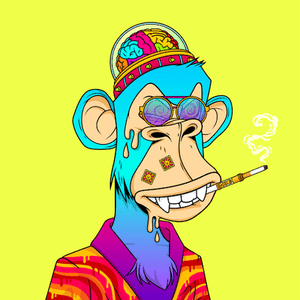
How to Mint and Create Your Own NFT Collection on OpenSea
Transitioning from a consumer of digital culture to a creator is one of the most empowering leaps you can make in the modern web landscape. Whether you are a digital illustrator, a generative coder, a photographer, or a community builder, launching your own non-fungible token (NFT) collection allows you to establish verifiable digital provenance, unlock programmatic creator royalties, and build a direct connection with your audience. This comprehensive field guide walks you through the entire workflow of structuring, deploying, and launching your own unique NFT collection on OpenSea.

1. The Creator Paradigm: Why Launch Your Own Collection?
For decades, digital artists and independent creators have relied on centralized platforms, third-party galleries, and restrictive distribution networks that take steep commissions while offering minimal ownership over audience data or secondary market sales. Web3 infrastructure rewrites this dynamic entirely.
When you deploy a smart contract collection on OpenSea, you aren't just uploading images to a server—you are minting cryptographic tokens onto an immutable public ledger. This grants your collectors true verifiable ownership, enables automated secondary market royalty payouts, and gives you complete creative autonomy over your project's ecosystem.
Creative Autonomy
Maintain total control over supply limits, trait rarities, smart contract parameters, and utility access passes.
Programmatic Royalties
Ensure that every time your work changes hands on the secondary market, you receive a percentage directly to your wallet.
Direct Audience Ties
Your collectors become token-holding community members, enabling gated access, voting rights, and exclusive perks.
2. Preparing Your Digital Assets and Metadata Structure
Before touching any marketplace interface, your digital files and metadata must be impeccably organized. Whether your collection consists of 1 unique 1-of-1 piece or a 10,000-item generative PFP (Profile Picture) series, organization is the backbone of a smooth launch.

For generative collections, you will typically use automated layering scripts (such as HashLips or similar engines) to combine background layers, body types, clothing, headwear, and accessories into final image files coupled with a corresponding JSON metadata file for each token.
Pro-Tip on File Storage: Ensure your image files are exported in high-resolution PNG or WebP formats. For decentralized permanence, many creators leverage IPFS (InterPlanetary File System) via services like Pinata to store their raw media assets permanently before linking them to the smart contract.
3. Configuring Your Collection in the OpenSea Studio
Once your wallet is funded with a small buffer of ETH to cover initial smart contract deployment gas fees, head over to the OpenSea Creator Studio dashboard. Rather than just uploading random items, creating a formal collection groups your assets under a single unified banner, custom contract address, and brand identity.
- Collection Artwork: Upload a high-resolution logo image (350x350px), a featured banner image (600x400px), and a wide hero banner (1440x400px) that align with your aesthetic.
- Project Narrative: Write a compelling description outlining the utility, inspiration, and roadmap of your project. Transparency builds instant trust with prospective collectors.
- Social Links: Link your official project website, X (Twitter) handle, Discord server, and Instagram account to verify your online presence.
During this setup phase, you will also specify your collection's payout wallet address and designate your desired creator royalty percentage (typically ranging from 2.5% to 5% on secondary sales).
4. Minting Items and Managing Rarity Traits
With your collection shell established, it is time to populate it with items. OpenSea allows you to either deploy a custom smart contract (ERC-721) or utilize their streamlined factory minting tools depending on whether you want full contract ownership or a simpler setup.
When uploading individual pieces or batch metadata, pay close attention to Traits and Attributes. Adding properties such as "Background: Nebula," "Eyes: Laser," or "Edition: 1/1" automatically populates OpenSea's built-in rarity filters, making it much easier for collectors to browse and evaluate your work based on rarity distributions.
Supply Strategy
Decide whether your collection will be an open edition, a limited batch, or a large-scale 10k generative drop.
Trait Metadata
Incorporate descriptive properties and statistical weights so collectors can instantly gauge item uniqueness.
Smart Contract Ownership
Deploying a custom contract grants you absolute ownership over the bytecode and future upgrade paths.
5. Launch Strategy, Pricing, and Community Building
Creating the collection is only half the battle; successfully introducing it to the market requires intentional strategy. Before clicking publish on your public sale, establish a clear rollout plan:
- Fixed-Price vs. Auctions: Determine whether your items will be listed at a flat, accessible price or offered via English/Dutch auctions for high-demand drops.
- Allowlist (Whitelist)ing: Reward your earliest supporters, collaborators, and community members with guaranteed early access mint passes.
- Post-Launch Communication: Maintain active communication channels where holders can verify announcements, share feedback, and participate in future creative iterations.
By treating your collection as both an artistic statement and a community gateway, you lay the groundwork for long-term project sustainability and collector loyalty.
Conclusion & Launch Checklist
Launching your own NFT collection on OpenSea bridges the gap between independent creativity and decentralized ownership. By carefully structuring your digital assets, deploying a secure smart contract, configuring transparent royalties, and fostering genuine community engagement, you transform your creative vision into a permanent digital legacy.
Double-check all collection links, test a single mint transaction before launching publicly, and embrace the journey of building outposts in the evolving Web3 frontier.